Why Am I Losing My Hair on Ozempic? What GLP-1 Users Need to Know
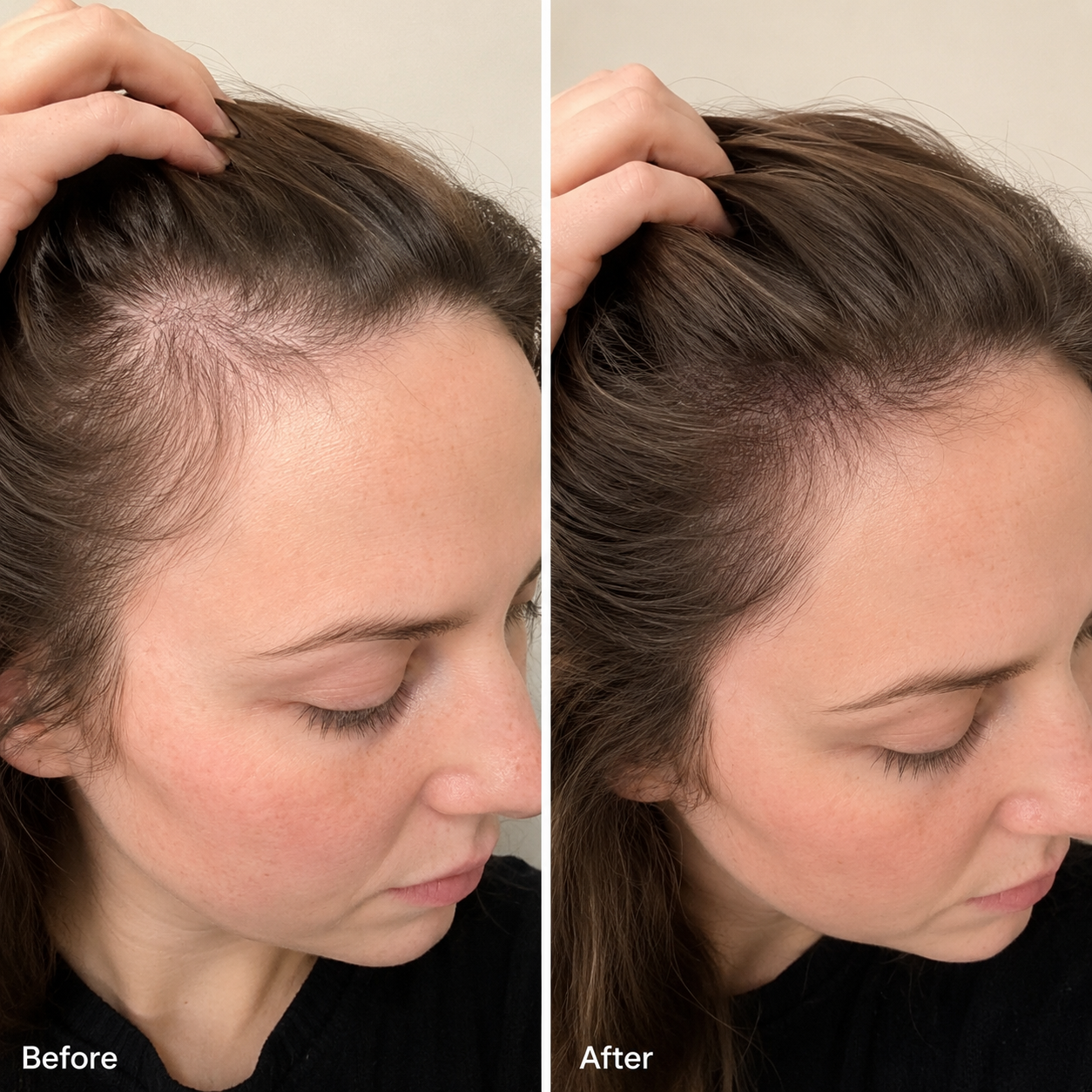
If you're on a GLP-1 medication — semaglutide, tirzepatide, Ozempic, Wegovy, Mounjaro, or Zepbound — and you've started noticing more hair in your shower drain, on your pillow, or coming out in your brush, you're not imagining it. Hair loss is one of the most common and least-talked-about side effects of GLP-1 weight loss drugs, and it affects a significant percentage of users.
The good news: it's not permanent, it's not random, and there are things you can do to support your scalp and hair through this period.
Here's what's actually happening — and what helps.
Why GLP-1 Medications Cause Hair Shedding
Hair loss on GLP-1 drugs is most commonly a form of telogen effluvium — a temporary, diffuse shedding triggered by a significant physical stressor. When your body undergoes rapid change (like fast weight loss), it redistributes resources. Hair follicles, which are metabolically expensive to maintain, get deprioritized.
Several factors compound this:
Rapid caloric restriction. GLP-1 medications suppress appetite significantly. For many users, this means eating far less than they were before — sometimes without realizing it. Hair follicles need protein, iron, biotin, zinc, and essential fatty acids to function. When caloric intake drops sharply, so does the supply of these nutrients to the scalp.
Accelerated weight loss. The faster the loss, the more likely the follicle disruption. Clinical studies on semaglutide show that participants who lost weight most rapidly also reported higher rates of hair-related changes.
Hormonal shifts. Fat tissue stores and metabolizes hormones, particularly estrogen. As fat mass decreases quickly, estrogen levels can shift, which in turn affects the hair growth cycle.
Metabolic stress. Even when weight loss is the goal, the body registers it as stress. Metabolic stress — the same kind triggered by illness, surgery, or extreme dieting — can push hair follicles prematurely into the shedding phase (telogen phase) of the hair cycle.
The Timeline: When Does Ozempic Hair Loss Start and Stop?
Telogen effluvium typically begins two to four months after the triggering event. So if you started a GLP-1 medication in January and noticed increased shedding in March or April, that timing makes complete sense.
The shedding phase usually peaks around three to six months and then gradually slows as the body stabilizes. Most people see the worst of it during active rapid weight loss, and shedding decreases once weight stabilizes.
What this means: if you're still in active weight loss, some degree of shedding may continue. But it does resolve.
What Most People Miss: The Scalp Environment
Here's where standard advice falls short. Most resources will tell you to eat more protein, take a biotin supplement, and wait it out. That's not wrong — but it's incomplete.
While your follicles are in a disrupted phase, the scalp environment is also changing. Hormonal shifts and metabolic changes affect sebum production, scalp hydration, and the skin barrier. Many people on GLP-1 medications notice their scalp feels drier, more sensitive, or more prone to buildup than usual.
A scalp under stress — one that's dry, irritated, inflamed, or congested with buildup — creates a poor foundation for recovery. The follicles trying to re-enter a healthy growth cycle are doing so in a compromised environment.
This is why scalp care matters more during this phase, not less.
What to Actually Do
1. Protect your protein intake. GLP-1 medications suppress appetite broadly, which can lead to inadequate protein even when calories seem reasonable. Prioritize protein at every meal. Hair is made of keratin — a protein — and follicle cells are among the most rapidly dividing in the body. They need building blocks.
2. Address micronutrient gaps. Iron deficiency is one of the leading causes of hair shedding in women, and rapid weight loss can deplete it further. Ask your doctor about checking ferritin levels (not just hemoglobin). Zinc, B vitamins, and vitamin D are also worth reviewing.
3. Don't neglect your scalp. This is the step most people skip. The scalp is skin. It has a moisture barrier, a microbiome, and blood vessels that supply nutrients to each follicle. During metabolic shifts, the scalp's own environment shifts too.
Supporting your scalp during this period means: keeping it clean without stripping it, maintaining hydration, and avoiding practices that increase inflammation or buildup.
4. Be gentle with manipulation. Avoid tight hairstyles, excessive heat, and aggressive brushing while shedding is elevated. The follicles that are in a vulnerable phase are more susceptible to mechanical stress.
5. Think in systems, not single products. A single shampoo or supplement won't reverse telogen effluvium. What the scalp needs is consistent, layered care that addresses buildup, hydration, barrier support, and follicle environment together.
What to Look For in a Hair Care System During GLP-1 Use
When choosing products during this phase, look for formulations that address the specific challenges of a metabolically stressed scalp:
- Scalp exfoliation to clear buildup that can impede the follicle environment
- Micellar or gentle cleansing that lifts oil and debris without stripping the scalp's moisture
- Barrier-supportive conditioning with ingredients like hyaluronic acid, amino acids, and panthenol
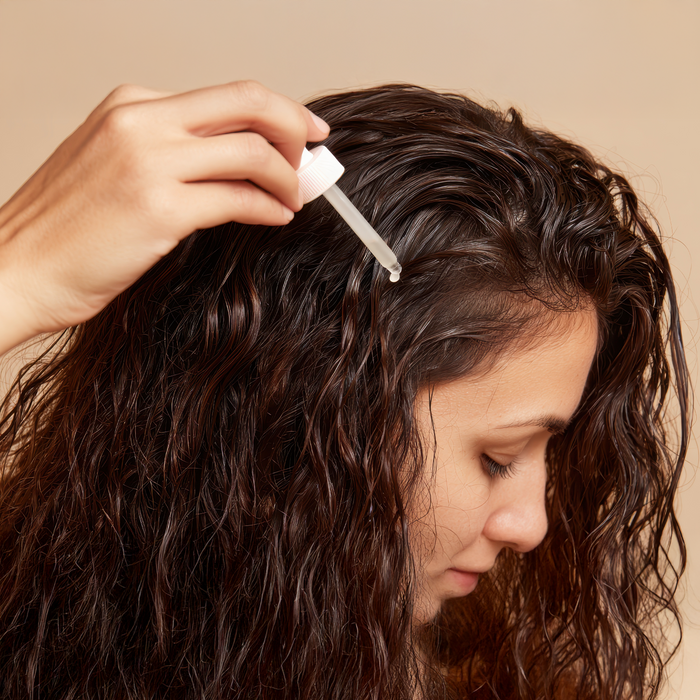
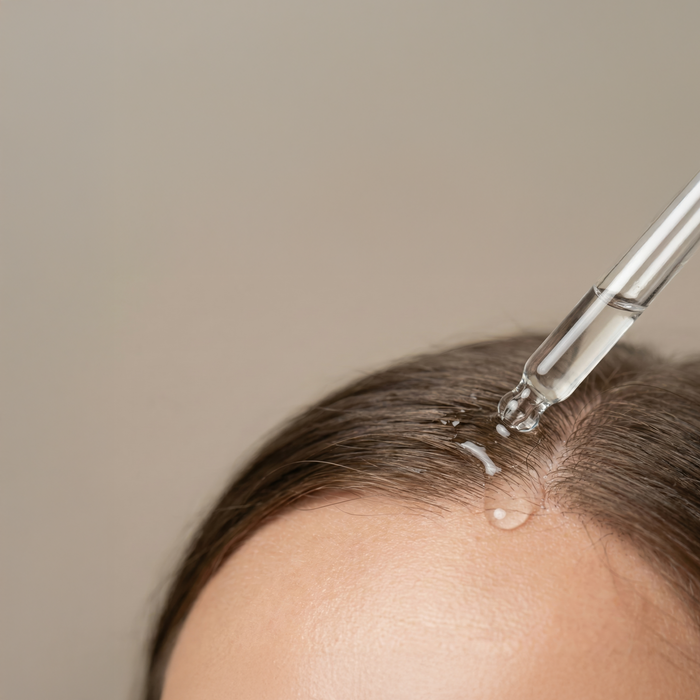
- Leave-on scalp hydration to address dryness between wash days
- Peptide-based support for the appearance of density and follicle-environment health
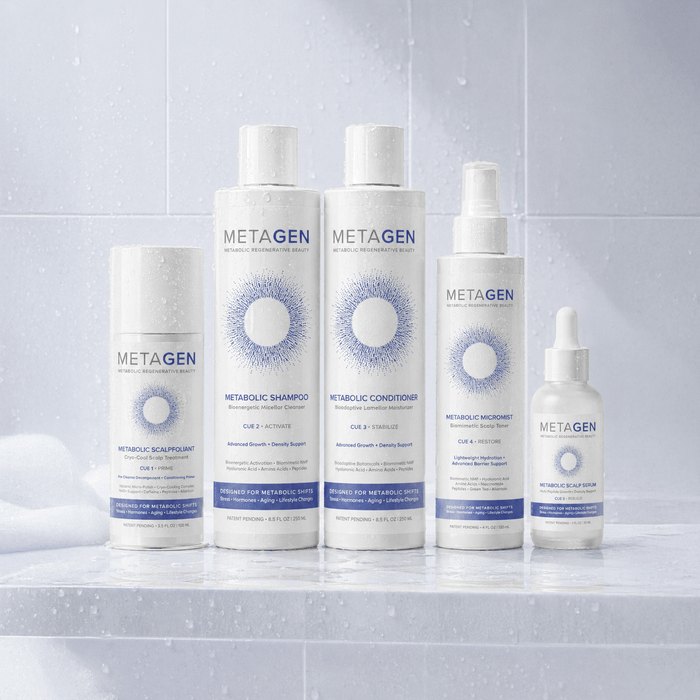
The MetaGen 5-Cue Metabolic Method was specifically designed for this moment — a five-step scalp and hair system built around the visible changes that accompany metabolic shifts, including GLP-1 use.
The Bottom Line
Hair loss on Ozempic, Wegovy, semaglutide, or other GLP-1 medications is real, common, and manageable. It's driven by the same mechanism as other stress-triggered shedding — and like other forms of telogen effluvium, it responds to the right support.
The most important shift in mindset: stop thinking about your hair as a fiber to condition and start thinking about your scalp as the skin it actually is. When the scalp environment is supported — hydrated, clear, nourished — the follicles have a better foundation to recover on.
If you're navigating hair changes during GLP-1 use, you're not alone. Millions of people are in this same moment. And your hair can come back.
MetaGen is a cosmetic scalp and haircare system designed to support the visible appearance of fuller, denser, healthier-looking hair. It is not a medical treatment. If you have concerns about hair loss, consult your healthcare provider.
Metagen is external cosmetic care. This article is educational and is not medical advice. It does not diagnose, treat or cure any condition — sudden or significant hair changes should be discussed with a qualified health professional.